Exploring the Enigmatic Perch: Observing Pigeons in the Mysterious Misty Jungle Environment
- Chusaengsri

- Jan 20, 2025
- 4 min read
The jungle is not just a place of beauty; it is a bustling ecosystem teeming with life. With layers of life forms, the jungle holds stories waiting to be discovered. Amid this vibrant setting, pigeons play a surprisingly significant role. Their presence can be an invitation to observe a world that reveals surprising layers of ecological connections. In this post, we will explore the unique characteristics of pigeons and the enchanting jungle environment they inhabit.
The Mysterious Jungle Landscape
The jungle is a realm of extraordinary beauty, where towering trees and colorful plants create a rich habitat for countless species. The mist that often blankets the landscape adds to its allure, transforming the environment into a mystical realm.
Pigeons thrive in these lush habitats. They perch in the trees not only for rest but also to detect predators from a distance. For instance, in a study of jungle-dwelling birds, researchers found that 78% of pigeon sightings occurred at heights exceeding 20 feet, showcasing their preference for elevated vantage points.
In the complex web of jungle life, interactions between species are vital. Birds, including pigeons, are crucial for seed dispersal. Research indicates that birds can carry seeds over distances of up to several kilometers, helping maintain plant diversity. Each pigeon perched thoughtfully highlights how even ordinary creatures play vital roles in sustaining their environment.
Pigeons: Nature's Adaptable Aviators
Pigeons are remarkable in their adaptability. Often taken for granted, these birds are equipped with impressive homing instincts and navigational skills. In the jungle, they show swift flying abilities, darting through thick foliage with precision to escape predators and seek food.
Their diet is diverse, including seeds, fruits, and plants readily found in tropical climates. For example, in a lush area of the Amazon rainforest, 40% of a pigeon’s diet can consist of fruits from the abundant Palm and Fig trees.
Pigeons are not solely city dwellers; they have evolved to adapt to various habitats worldwide. This resilience allows them to thrive even amid environmental changes, showcasing their capacity to adjust to new challenges.
The Beauty of a Pigeon Perched in Foliage
One of the most enchanting sights in the jungle is a pigeon nestled on a branch, surrounded by vibrant greenery. The rich colors of the jungle create a striking backdrop, enhancing the beauty of these birds.
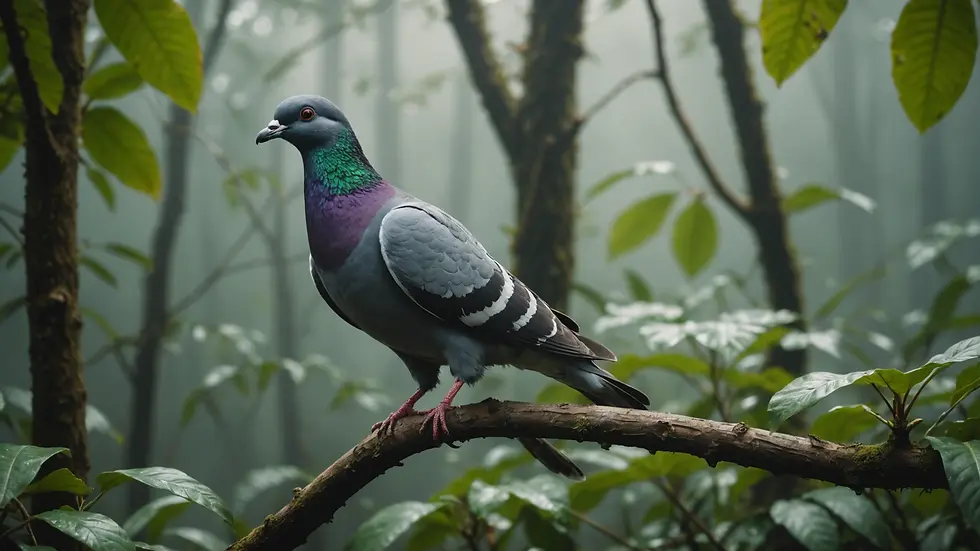
This scene highlights the harmonious relationship between pigeons and their environment. From their high perches, they can scout for food and observe potential threats. The soft tones of the jungle, often intensified by the mist, form a perfect setting for another captivating moment in nature. The contrast between the pigeons’ vivid plumage and the lush greens of their surroundings creates a visual feast for observers.
The Role of Mist in the Jungle Ecosystem
Mist plays a crucial role in jungle ecosystems, providing essential moisture that supports diverse plant life. This vital component helps create microclimates conducive to various species' survival.
The mist functions as a natural filter, softening sunlight and creating a perfect atmosphere for pigeons. In a single day, mist can reduce temperatures by up to 10 degrees Fahrenheit, helping to keep these birds comfortable as they bask, preen, or rest after a long forage.
Additionally, mist fosters intrigue in the jungle by modifying sound patterns, making it difficult to pinpoint creatures’ movements. This audible veiling invites deeper exploration and appreciation for wildlife including the agile pigeons they often overlook.
Observational Techniques for Birdwatching in the Jungle
To observe pigeons and other birds, consider the following techniques:
Patience and Silence: Approach quietly and allow birds to adjust to your presence. Their comfort leads to more rewarding observations.
Choose Strategic Locations: Position yourself near water sources or fruiting trees. These spots are hotspots for bird activity.
Using these techniques increases your chances of witnessing pigeons and experiencing the jungles' captivating beauty.
The Need for Jungle Habitat Conservation
As we explore the world of pigeons in the jungle, it's critical to recognize the urgent need for habitat preservation. Rapid urbanization and deforestation significantly threaten jungle environments, putting pigeons and many other species at risk.
Conservation efforts must focus on restoring and protecting these invaluable habitats. Steps taken can include advocating for sustainable land use and supporting protected wildlife areas. According to the International Union for Conservation of Nature, over 50% of the world’s original rainforests have been lost in the last century, emphasizing the need for immediate action.
You can contribute to these efforts by getting involved in local conservation strategies or spreading awareness about the importance of these ecosystems. By doing so, we help ensure a thriving environment for all wildlife.
Reflections on Nature's Wonders
The image of a pigeon perched in a misty jungle symbolizes the intricate balance of nature. Observing these birds in their natural habitat sheds light on their resilience and the captivating ecosystems they inhabit.
Every journey into the jungle opens up new possibilities. It invites us to witness the mysteries of life that can often be overlooked. Each moment spent among the trees reveals the interconnectedness of all living things.
Next time you find yourself in a mist-laden jungle, take a moment to appreciate the pigeons that grace the branches above. Their presence is a living testament to the beauty and resilience of nature. Embrace the wonder of wildlife that patiently awaits our discovery among the leaves.


Comments