Exploring the Uncharted Territory of Unusual Architecture: Unique Designs and Creative Structures
- Chusaengsri

- Dec 10, 2024
- 4 min read
Architecture combines art, science, and imagination. While many buildings stick to traditional designs and functionality, a captivating world of unusual architecture pushes these limits. From playful structures inspired by nature to innovative designs reshaping urban settings, this post takes you on a journey through some of the most distinctive buildings worldwide.
The Allure of Unconventional Buildings
Unconventional buildings captivate us and spark our curiosity. They invite admiration for the creativity and brilliance behind their designs. Instead of the usual boxy shapes and plain facades, these structures embrace irregular designs and striking silhouettes. They make bold statements, encouraging everyone to reconsider what architecture can achieve.
These buildings showcase the blend of creativity and utility. Their designs often serve as a powerful commentary on how society interacts with its environment. For example, the High-Rise Building in Tokyo, designed by Kengo Kuma, features a staggered façade that mimics the natural contours of nearby hills, inviting a dialogue between the city and its landscape.
Embracing Nature in Architectural Design
Blending architecture with the natural world stands as a hallmark of unusual designs. One impressive case is the Treehotel in Sweden, where each room is crafted within trees, allowing guests to experience life among the treetops while enjoying modern comforts. For instance, the Bird’s Nest tree room features a cozy interior made almost entirely from eco-friendly materials and offers a stunning view of the forest.
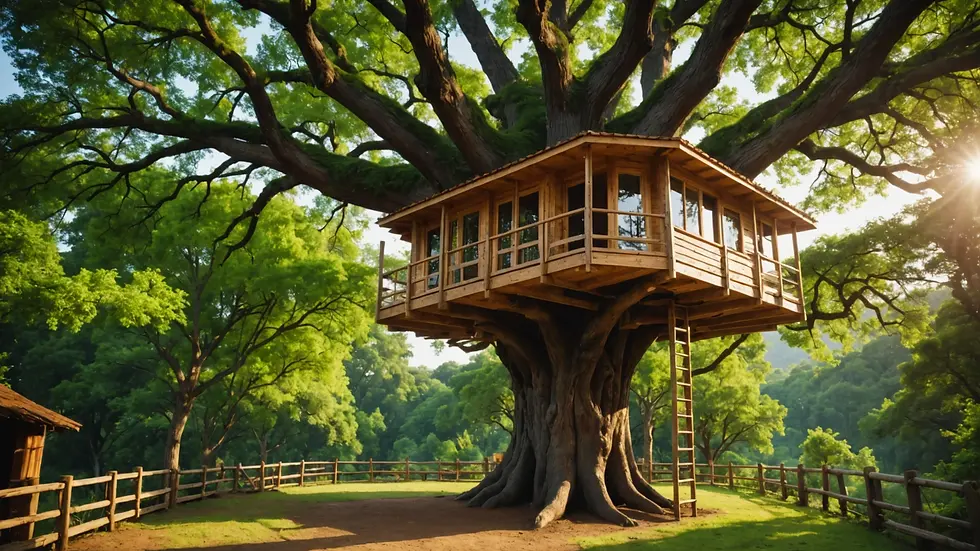
Using natural materials such as wood, stone, and living vegetation helps architects design visually striking and eco-friendly structures. This shift toward sustainability resonates with environmentally conscious individuals who wish to see a positive impact through innovative designs. In fact, buildings using sustainable materials can reduce energy costs by an average of 30%.
Creative Construction Techniques
New technologies and building materials have opened up endless possibilities for architects. Techniques like 3D printing and using recycled materials enable designers to explore unusual shapes. One example is Casa Ventura in Mexico City, which features a playful, asymmetrical design that defies conventional home characteristics. Its organic forms and flowing lines create a whimsical atmosphere that allows visitors to engage with the space uniquely.
The overall creativity extends beyond visual impact; it stimulates user interaction. For instance, using modular designs can allow for flexible configurations, fostering a feeling of community in spaces like the ZHA 'Sculptural Station' in China, which encourages unique social interactions among its visitors.
The Impact of Field Architecture
Field architecture emphasizes buildings coexisting harmoniously with their landscapes, often yielding surprising results. A notable project is the Guggenheim Museum in Bilbao, Spain. With its striking, fluid design, the museum seamlessly integrates into the surrounding river and urban environment.
Despite its unconventional shape, the museum fulfills its purpose of showcasing art while redefining views of urban architecture. The museum attracted over 1 million visitors annually since its opening in 1997, significantly revitalizing Bilbao’s economy and tourism.
These site-specific buildings enhance user experiences, offering a deeper connection to both architecture and the natural environment.
Distinctive Edifices Around the World
There are astounding architectural feats around the globe that celebrate human creativity. The Crooked House in Sopot, Poland, features a whimsical, distorted design that enchants tourists. Its playful form challenges architectural norms, reminding us how creativity can yield delightful results.
Another remarkable example is Fallingwater, designed by Frank Lloyd Wright in Pennsylvania. This house, cantilevered over a waterfall, demonstrates a deep respect for nature in its design. Fallingwater is not only a masterpiece of organic architecture but also a UNESCO World Heritage site, receiving over 200,000 visitors annually.
These iconic buildings inspire architects and designers to think innovatively about their creations.
Innovative Structures that Redefine Boundaries
As cities evolve, innovative structures continue to redefine boundaries. The Cactus Towers in Copenhagen exemplify how architecture can create vertical communities. By blending residential, commercial, and green spaces, these towers foster community spirit in a bustling city.
Pushing this concept even further, the Aqua Tower in Chicago incorporates organic elements into its design, showcasing undulating terraces that emphasize green living in an urban environment. This commitment to creativity and sustainability creates inviting outdoor spaces for residents, contributing positively to urban life.
Such structures demonstrate the power of architecture to move beyond mere function and foster ecological and community well-being.
Quirky Architecture and Cultural Impact
Quirky architecture invites exploration of cultural identity. The Bubble House in France, designed by Antti Lovag, appears like something from a sci-fi film. Its curvy, spherical shapes blend seamlessly with the natural surroundings, challenging conventional architectural ideals.
These unique buildings foster emotional and cultural connections. They serve as gathering points for communities, attracting visitors curious about their originality and enhancing local culture. For instance, the Magic Mushroom House in Ohio generates local interest and community pride, becoming a recognizable landmark that embodies local history.
Final Thoughts on Unusual Architecture
Exploring unusual architecture offers a fascinating look into human creativity's endless possibilities. Each extraordinary structure invites us to transcend traditional boundaries and engage more meaningfully with our environment.
Unconventional buildings capture our imagination and inspire us to rethink our relationships with the spaces we inhabit. Whether you have a passion for architecture or are just intrigued by the visually striking, appreciating unusual architecture reveals far insights about culture, nature, and innovative designs.


Comments