HOW TO Capture Stunning Botanical Macro Shots in Your Nature Videos: A Comprehensive Guide
- Chusaengsri

- Mar 20, 2025
- 3 min read
Creating nature videos that include macro plant footage can transform ordinary scenes into captivating experiences. Close-up shots of plants reveal intricate textures, vibrant colors, and unique patterns that often go unseen. This guide is packed with essential tips and techniques to help you capture stunning botanical macro shots that will amaze your viewers.
Understanding the Macro World
Macro photography focuses on capturing small subjects at close range. For plants, this means highlighting the unique features that define each species. With the right approach, you can turn mundane flora into striking visual narratives.
For instance, did you know that a well-placed shot of a dewdrop sitting on a leaf can evoke strong emotions? It’s these small details that tell a bigger story.
It's also important to know your gear. Macro lenses provide the best clarity for close-up shots. If you do not own one, using extension tubes or reversing rings can be affordable alternatives. A tripod is essential for stability, particularly in lower light situations or when focusing on fine details.
Setting the Scene
Choosing the right location can make a significant difference in your footage. Natural light can enhance your images dramatically. Shooting in the early morning or late afternoon results in soft, golden light that makes colors pop and reduces harsh shadows.
When selecting plants to film, aim for those that have clean appearances. For example, shooting a vibrant flower against a simple background can elevate your shot. An uncluttered space ensures the subject stands out, making it more engaging.
Composition Techniques
Composition can make or break your shots. One effective method is the rule of thirds. Imagine your frame divided into a grid of nine equal sections. Positioning your subject at the intersections or along these lines can make your shots more pleasing to the eye.
Try different angles and perspectives. For instance, getting down to the level of a flower can convey intimacy, while a shot taken from above may reveal how the plant interacts with its surroundings, such as contrasting colors in a garden.
Lighting Considerations
Lighting is vital for any type of photography, especially macros. Natural light is optimal, but using reflectors can help shape the light and reduce shadows. On an overcast day, you will find even, diffused light that brings out the tiny details in your subjects.
For indoor shooting, using a continuous LED light or setting up a flash with a diffuser can provide a consistent and soft illumination. This approach can help you avoid hard shadows that distract from the beauty of your footage.
Focus and Depth of Field
Finding the right focus in macro photography can be challenging. A shallow depth of field means that just slight movements can cause your subject to blur. Manual focus gives you more control and can help capture the fine details of the plants more effectively.
Adjusting your aperture is key. A wider aperture, like f/2.8, can create a soft background that highlights your subject. However, if your plant has multiple layers, using a smaller aperture, such as f/8 or f/11, enables you to maintain detail throughout the shot.
Filming Techniques
Stability is crucial for capturing smooth footage. If you're filming, consider using a gimbal or stabilizer to prevent shaky video. Slow, controlled movements are most effective for botanical macro shots. This allows viewers to take in the intricate details step-by-step.
Techniques such as panning or tilting slowly add to the viewer's experience, creating a sense of depth. Gradual zooming can also prevent disorientation while emphasizing specific aspects of the plant.
Post-Production Enhancements
Post-production allows you to polish your macro plant videos further. Software such as Adobe Premiere Pro or Final Cut Pro offers color grading tools to enhance the vibrancy of your colors. Adjusting brightness and shadows can bring out the stunning details you captured.
Additionally, incorporating natural sounds, like the rustle of leaves or distant birds chirping, can elevate the quality of your video. Sound can evoke emotions and create a more immersive experience for your audience.
Example of Captivating Botanical Macro Shot
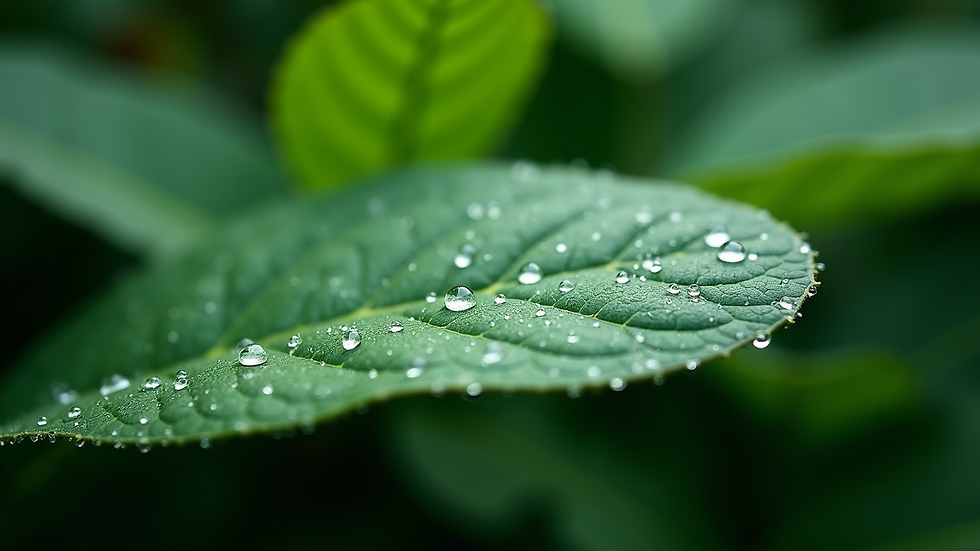
Creating botanical macro shots involves a blend of technique, favorable conditions, and thoughtful editing.
Closing Thoughts
Capturing stunning botanical macro shots in your nature videos can be a rewarding creative journey. With the right tools, techniques, and attention to detail, you can elevate your storytelling.
Take time to practice different angles, lighting situations, and equipment. The more you explore the universe of plants, the more extraordinary your macro footage will become. Embrace the beauty of nature's small wonders and share your captivating videos with the world.


Comments