Unveiling the Mysteries of Desert Architecture: A Surreal Journey Through Vast, Gear-Adorned Houses and Machinery
- Chusaengsri

- Feb 9, 2025
- 4 min read
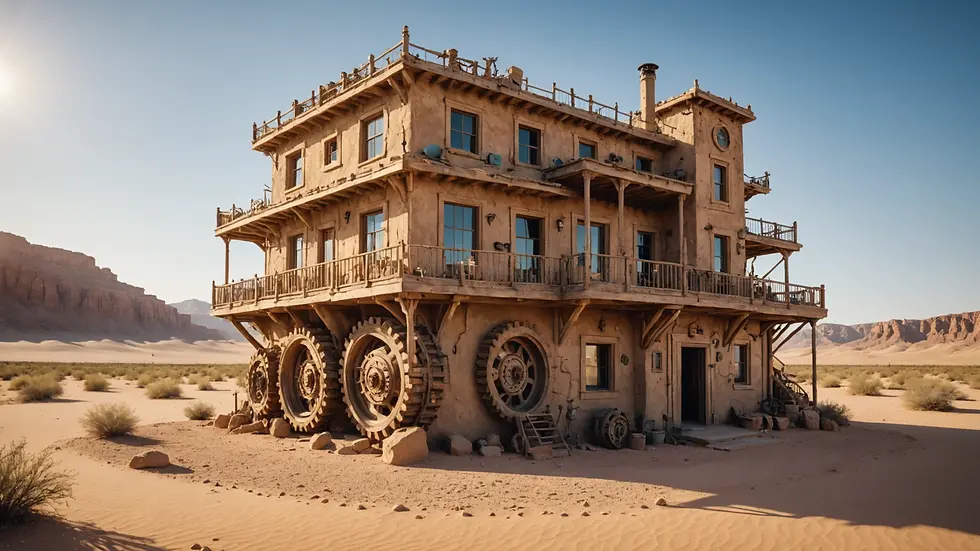
In the heart of arid deserts, where golden sands stretch endlessly beneath a bright blue sky, lies a fascinating world of architecture that breaks the mold. These surreal homes, often adorned with intricate machinery, invite travelers to delve deeper into their mysteries. What sparks the creativity behind such unique structures? What tales do these gear-adorned houses share? Let’s embark on an engaging journey to uncover the allure of these incredible buildings.
The Allure of Desert Landscapes
The desert landscape is alive with beauty, showcasing undulating dunes, rocky plateaus, and wide-open horizons. The interplay of light and shadow creates a captivating atmosphere that inspires architects and artists.
However, these landscapes pose significant challenges. For instance, the temperature can soar to over 120°F during the day and plummet to near freezing at night. Sandstorms can sweep through, affecting visibility and stability. In response, innovative designs prioritize stability and sustainability.
Architects often combine traditional materials like adobe with modern insulation techniques. For example, the use of thick earthen walls helps maintain cooler indoor temperatures, significantly reducing energy consumption by up to 30%. These design strategies help the structures merge with both nature and art, demonstrating how architecture adapts to the harsh desert environment.
The Characteristics of Gear-Adorned Architecture
In desert architecture, "gear-adorned" describes both aesthetic and functional elements. Many homes feature rotating solar panels and wind turbines, which harness the intense sunlight and wind common in arid regions.
This clever integration transforms practical machinery into an artistic statement. For example, one home in New Mexico features a unique spiral design with integrated solar panels that rotate to maximize sunlight exposure, showcasing a blend of art and utility. Such designs not only contribute to the building's energy efficiency but also make a striking visual impact.
As visitors explore these stunning structures, they are reminded of the incredible creativity and practicality involved in desert architecture.
Surreal Designs in Harsh Conditions
Many desert homes showcase designs that challenge traditional architectural principles. For example, in Arizona, there are homes with wave-like roofs that mimic the shifting sands, while others in California rise dramatically with a sleek, modern design that contrasts with the surrounding landscape.
Using materials like rammed earth ensures these buildings harmonize with their surroundings, offering excellent thermal performance. Properties often include deep niches in walls that provide shade, reducing heat absorption by up to 60%. Additionally, strategically placed windows not only capture breathtaking views but also enhance airflow, promoting natural cooling.
These surreal designs provoke thought and invite reflection on our relationship with nature and technology in an ever-changing world.
Machinery as a Form of Art
In the desert, machinery transcends mere functionality. It becomes a significant form of artistic expression. For instance, installations featuring large gears and kinetic sculptures transform public spaces into open-air galleries.
This integration between mechanics and aesthetics enhances the surrounding environment. These designs tell stories of movement and survival, echoing a rich heritage. In places like Marfa, Texas, visitors can see how mechanical components contribute to both the utility of the structures and their symbolic meanings.
Walking through this surreal landscape feels like stepping into a world where every element sparks curiosity, igniting conversations about the future of our living spaces.
Sustainable Practices in Desert Architecture
Sustainability is vital in desert architecture, especially as the world faces climate challenges. Buildings designed in arid regions often exemplify energy efficiency and ecological respect.
For example, innovations like passive solar heating and natural ventilation are commonly implemented. A remarkable example is the Earthship houses in New Mexico, which use recycled materials and are designed for energy efficiency, reducing energy consumption by up to 70% compared to traditional homes.
These structures also utilize rainwater harvesting and greywater recycling systems, creating a minimal footprint on the surrounding ecosystem.
As sustainable practices continue to advance, desert architecture leads the way, showcasing how design can coexist with ecological principles while preserving artistic integrity.
The Future of Desert Architecture
The future of desert architecture holds exciting potential. With ongoing technological advancements, architects are finding new methods and materials that redefine design boundaries.
The incorporation of smart technologies in homes is likely to become standard practice. Imagine houses equipped with systems that automatically adjust to temperature changes and energy needs, leading to even greater efficiency.
As urbanization expands, it becomes essential to rethink our relationship with desert landscapes. Architects face the challenge of crafting spaces that nurture community while honoring the natural environment.
Reflecting on the stories shared by grand, gear-adorned houses, it is evident that desert architecture encourages us to question norms and inspire the next generations.
Discovering Architectural Wonders
The architectural marvels found in deserts do more than offer shelter; they narrate the tales of human resilience against nature's challenges. Through their innovative designs and use of technology, these homes light the way toward a sustainable future.
The mysteries of desert architecture beckon discovery, inviting us to reflect on our role within this beautiful landscape.
As we journey through deserts worldwide, may we draw inspiration from these extraordinary examples of creativity and remind ourselves that architecture represents an ongoing dialogue between humanity and the natural world. Embrace the adventure and let the golden sands of the desert share their stories with you.


Comments